Beginner's Guide to Progressive Muscle Relaxation for Evening Calm

It is nine in the evening. Your body is on the sofa, but your shoulders are still up around your ears and your jaw is doing that thing it does when you have spent the day replying to messages. You are not exactly stressed. You are just not switched off either.
Progressive muscle relaxation is one of the simplest ways to bridge that gap. You deliberately tense a group of muscles for a few seconds, then let go, and you notice the difference. Then you move to the next group. That is essentially the whole method. It takes about ten to fifteen minutes, needs no equipment, and works particularly well in the hour before bed.
This guide is written for someone who has never tried it. By the end you will know the sequence, the timing, the mistakes that make it feel pointless, and how to fold it into an ordinary evening without turning it into another task on your list.
Why Tense First? The Logic Behind the Practice
Most relaxation advice tells you to relax, which is a bit like telling someone to be funny. You cannot do it directly. You can, however, do something physical and then stop doing it, and that contrast is what your nervous system responds to.
When you deliberately squeeze a muscle and then release it, you create a clear before-and-after. The released state feels obvious because you just felt its opposite. Many people discover, often with mild surprise, that their shoulders were tense without them noticing. That discovery is half the benefit: you start to learn where you hold your tension.
The practice also gives your attention somewhere to go. Instead of lying in bed running through tomorrow's meetings, you are following a simple physical sequence. It is hard to ruminate about your inbox while you are concentrating on your calves.
A note on what this is and is not
Progressive muscle relaxation is a general wellbeing practice, not a treatment. If you have an injury, chronic pain, a musculoskeletal condition, or a history of trauma that makes body-focused exercises difficult, check with a qualified health professional before starting, and adapt or skip any step that feels wrong for you. It should feel like mild effort, never like strain.
How to Do It: The Basic Sequence
Sit in a comfortable chair with your feet flat on the floor, or lie down on your bed. Loosen anything tight. Dim the lights if you can. You do not need silence, just something unremarkable in the background.
The pattern for every muscle group is the same: tense for about five seconds, release for about ten to fifteen seconds. Breathe normally while you tense; do not hold your breath. On the release, exhale slowly and let the muscle go completely rather than easing off gradually.
Work through the body in this order, from feet to face:
- Feet. Curl your toes down and point them away from you. Hold, then release and let your feet flop outward.
- Calves. Pull your toes up toward your shins and feel the stretch in your lower legs. Release.
- Thighs and hips. Squeeze your thighs together and tighten your buttocks. Release, letting your legs feel heavy.
- Stomach. Gently tighten your abdominal muscles as if bracing for a small cough. Release.
- Hands and forearms. Make a loose fist with both hands and bend your wrists slightly inward. Release and let your fingers uncurl.
- Upper arms. Bend your elbows and bring your hands toward your shoulders, tensing your biceps. Release.
- Shoulders. Shrug up toward your ears. Hold, then drop them fully and let your arms hang.
- Neck. Gently press your chin down toward your chest without forcing. Release and bring your head back to neutral.
- Face. Scrunch everything up at once, or work in parts: squeeze your eyes shut, then relax; clench your jaw, then let it drop slightly open; raise your eyebrows, then smooth your forehead.
That is one round. Ten to fifteen minutes is plenty. If you are short on time, a five-minute version that covers only shoulders, jaw, hands and stomach will still do something useful.
What to do between groups
Spend a couple of breaths noticing the difference between the released muscle and the rest of your body. This is not decoration; it is the part that trains your awareness. If your mind wanders, and it will, just return to the next body part. Wandering is not failure. Noticing that you wandered is the practice working.
An Evening Routine That Fits a Real Weeknight
The best time to do this is whenever you can actually do it consistently. For evening calm, aim for somewhere between finishing dinner and getting into bed, ideally at least half an hour before you want to fall asleep. Doing it under the duvet and then immediately trying to sleep can work, but some people find it wakes them up slightly, so experiment.
A workable structure looks like this:
- Lower the input. Put your phone on the other side of the room, or at least face down and out of reach. Two minutes of quiet before starting is enough.
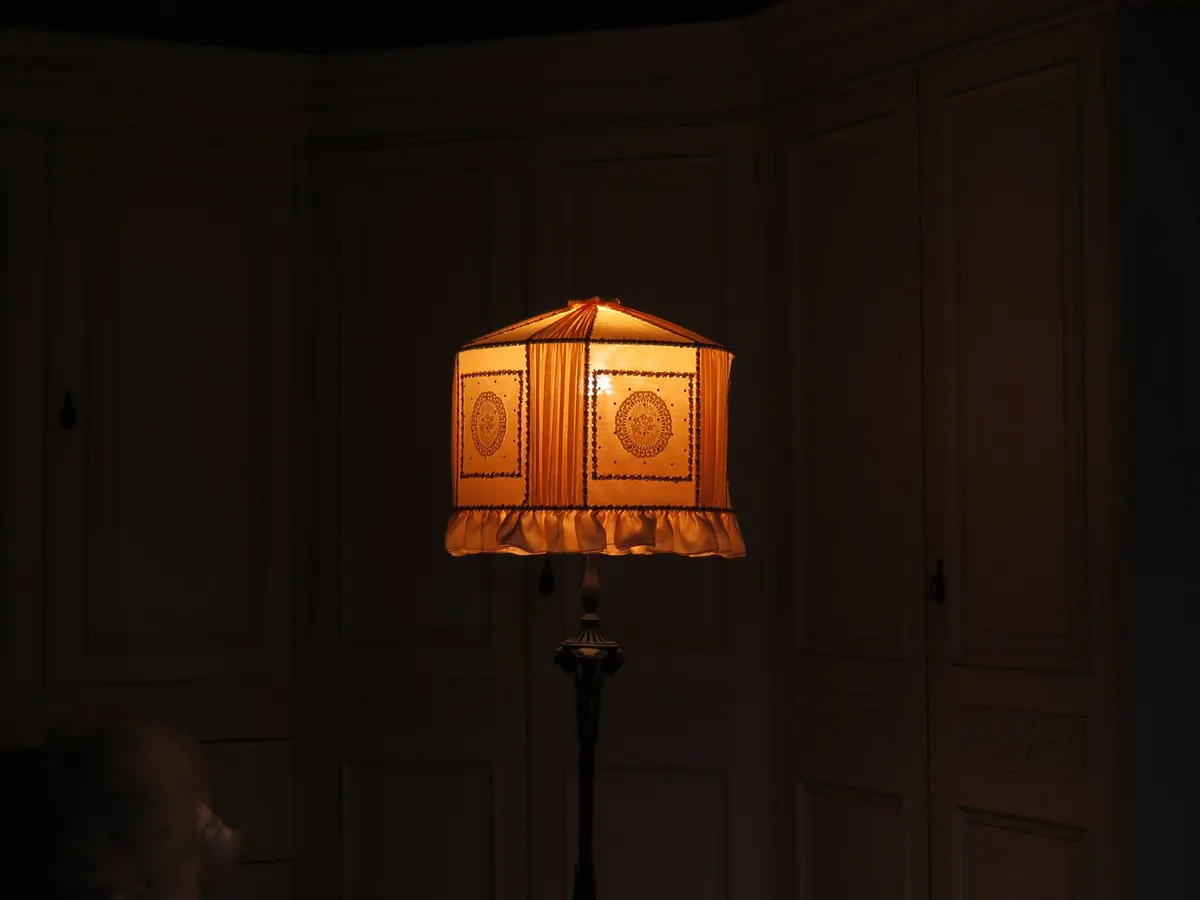
- Set the scene. One lamp on, rather than the main light. A blanket over your legs if you get cold easily.
- Run the sequence. Feet to face, five seconds tense, ten to fifteen release.
- Stay a moment. After the final release, lie still for a minute or two and take three slow breaths. Then get up gently, especially if you were lying down.
- Keep the evening low. Go straight to a book, a warm drink, or a shower rather than back to a screen.
Practical detail that makes a difference: keep a small note on your bedside table with the body parts in order for the first week or two. Once you know the sequence, you can do it without looking, which is far more relaxing than trying to remember what comes after the stomach.
Common mistakes
Tensing too hard. The squeeze should be firm but comfortable, roughly four or five out of ten. If you are shaking or holding your breath, ease off.
Rushing the release. Most people cut the release short. The relaxed phase is where the benefit sits, so give it the full ten to fifteen seconds.
Doing it only when desperate. A practice used once a week, on the worst night, rarely feels like much. Ten minutes on an ordinary Tuesday is more useful than a heroic attempt when you are already wound up.
Making It Stick
Habit beats intensity here. Three nights a week is a realistic starting point, and if that feels ambitious, do the short version for five nights. Attach it to something you already do, like brushing your teeth or getting into pyjamas, so it does not require a fresh decision every evening.
Expect it to feel mechanical the first few times. That is normal and not a sign that it is not working. The point is not to feel transformed; it is to end the day a little looser than you started, and to get slightly better at noticing when your shoulders creep upward at four in the afternoon.
If you have persistent difficulty sleeping, ongoing anxiety, or pain that this practice aggravates, speak to a doctor or another qualified professional. Self-directed relaxation is a good companion to proper care, not a substitute for it.
Starting Tonight
You can try this in the next ten minutes. Sit down, turn the main light off, and start with your feet. Five seconds of gentle tension, then let go and feel the difference. Move up through the body, and do not worry about doing it perfectly.
One round is enough for a first attempt. Notice one thing afterward: where your body felt different, or where it still feels tight. That single observation is what you are building on, night by night.
Photo: nathan-osman / Pixabay