A Beginner's Guide to Evening Light: How Dimmer Rooms Help You Sleep
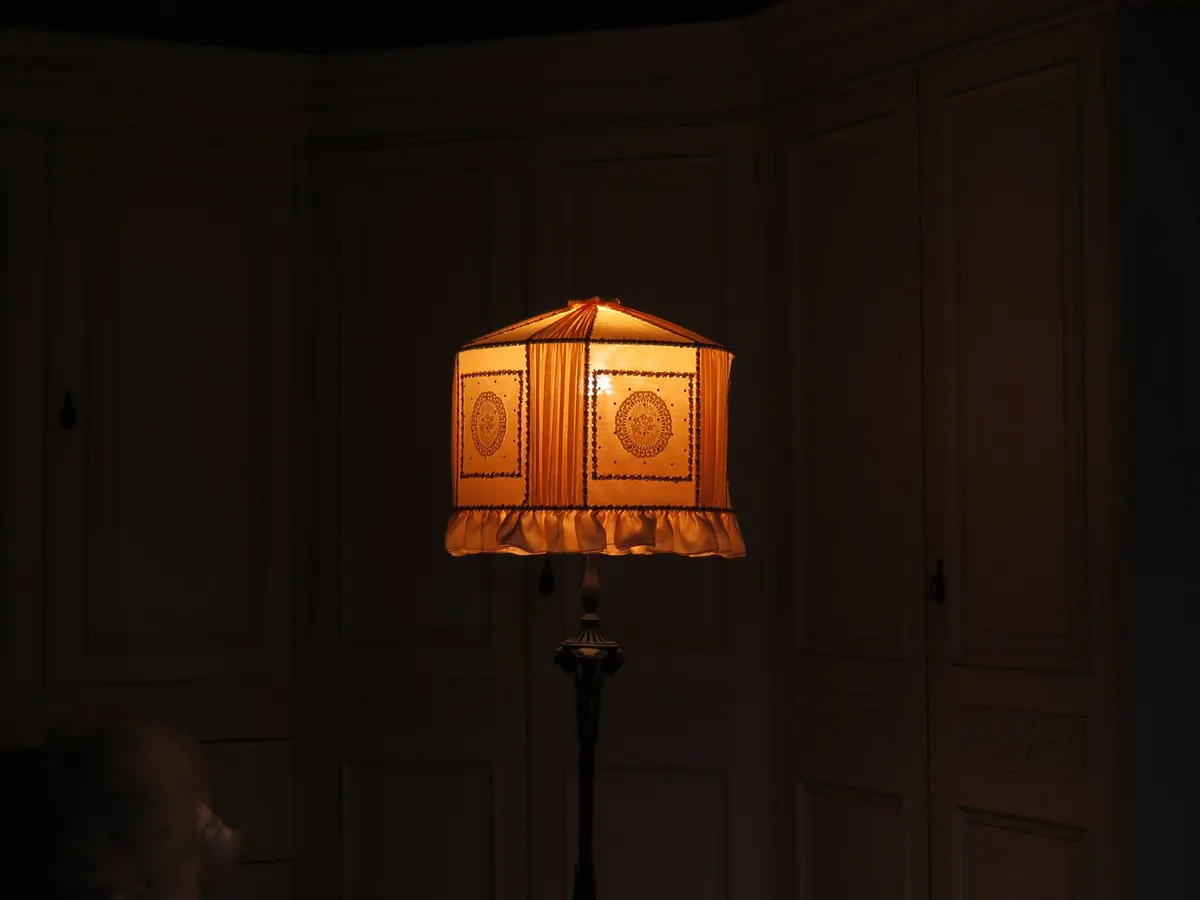
At nine in the evening, someone walks into the kitchen and flips a switch that turns the room into noon. The ceiling light blazes, the kettle boils, the laptop screen brightens to match. Nothing about it feels wrong. Yet your body reads that light as information, and it acts on it — quietly, for hours.
The answer isn't sitting in the dark from dinner onwards, or buying a shelf of gadgets. It's making your home get dimmer as the evening goes on, the way the sky does. Here's why that works, and how to do it without turning your evenings into a project.
Why evening light lands harder than you'd expect
Your internal clock — the roughly 24-hour rhythm that shapes sleepiness, alertness and even appetite — is reset every day by light. The strongest signal comes in through the eyes. A particular set of light-sensitive cells in the retina responds most to bright light that's rich in blue wavelengths, and those cells report straight to the part of the brain that keeps time.
Morning daylight is exactly the message they're built for: bright, overhead, unmistakable. Evening light of the same kind delivers the same message at the wrong hour. In practice, a brightly lit room after sunset can leave you feeling more alert than you want to be, and can nudge your natural sleep window later. Melatonin, the hormone that tends to rise as light fades and helps you feel ready for bed, is sensitive to light too — which is part of why an hour under a bright kitchen ceiling light can leave you staring at midnight.
None of this is a reason to feel anxious about every lamp in the house. It's a direction of travel: dimmer, warmer and lower as the evening goes on. If sleep is a persistent problem rather than an occasional one, that's worth raising with a doctor instead of trying to solve it with bulbs alone.
Three dials you can turn on any lamp
Before you buy anything, work with what's already there. Almost every light source in your home has three settings worth adjusting.
Brightness
This is the big one, and it's free. The step from "overhead light on" to "one lamp on" changes a room more than any specialty bulb. If a lamp has a dimmer, use it — most people keep theirs at full and forget the dial exists. If it doesn't, a lower-wattage bulb or simply switching off one of two lamps gets you most of the way.
Colour
Warm, amber-toned light — the colour of a candle flame, labelled roughly 2200K to 2700K on bulb packaging — reads very differently from the white-blue of a 5000K bulb. You don't need to memorise numbers. Hold a sheet of white paper under the light: if it looks blue-white, that's a daytime bulb. If it looks creamy or peachy, you're in the right zone for evening.
Height and direction
Overhead light falls on your face from above, which is the pattern of the midday sun. Table lamps, floor lamps, sconces and anything that throws light downward or washes a wall give your eyes a break from that glare and make a room feel smaller in the best way. A lamp at shoulder height, angled at a wall rather than at your face, is doing more for your evening than it gets credit for.
You don't need a perfectly dark house. You need a house that gets quieter as the evening goes on.
A room-by-room dimming plan
Light follows you around the house, so it's worth thinking in rooms rather than in one big decision.
- Living room: after dinner, kill the ceiling light and run two or three lamps instead. If you're watching television, one low lamp behind or beside the screen softens the contrast.
- Kitchen: the brightest room in most homes, and often the last one lit. Switch to under-cabinet lighting or a single pendant turned low for the final hour. If you're making tea at 10.30pm, you don't need surgical lighting to do it.
- Bathroom: the room everyone forgets. Two minutes under bright white bathroom light before bed can undo an hour of careful dimming. Put the lowest-wattage warm bulb you can stand in the main fitting, or rely on a small lamp or night light.
- Bedroom: bedside lamps only, nothing overhead, and a bulb warm enough to look almost orange. If you read in bed, a small clip-on or angled lamp is better than lighting the whole room.
- Hallways and stairs: keep them safe but soft. A low warm night light means a midnight trip to the bathroom doesn't require floodlights.
Screens: turn them down rather than banishing them
Screen advice usually arrives in two flavours — avoid them entirely, or ignore the issue. There's a workable middle: let screens behave like lamps rather than like windows onto daylight.
Start with brightness. Most phones and laptops default to far brighter than a dim room needs; drag the slider to the lowest level you can comfortably read. Enable the warm night mode if your device has one, and set it to come on around sunset rather than late at night. Distance matters too: a television across the room at moderate brightness is often easier on your eyes and your clock than a phone held a hand's width from your face.
What you're watching counts as well. A calm show, a book, a video call with a friend — these are not the enemy. The habit worth changing is the last look at messages and news, the one that stretches from thirty seconds to forty minutes and leaves your mind running. Try charging the phone across the room and treating that as the signal that the day's input is over.
Build a light curfew that fits your evening
A light curfew sounds austere. In practice it's a short sequence, and it works best when it's tied to things you already do.
- After dinner: overhead lights off, lamps on. That single switch is the whole idea in miniature.
- Two hours before bed: dim whatever is still on, and move to the warmest light in the house.
- One hour before bed: screens down to minimum brightness or off, and the room settled into two or three small pools of light.
- Half an hour before bed: bathroom, teeth, curtains closed — using the dimmest light you can manage.
- In bed: as dark as you can reasonably get, with a small light within reach for night waking rather than a phone torch.
If a strict schedule feels like too much, pick the one step that matters most to you — usually the overhead lights — and hold that line for a week before adding another.
Small mistakes that undo a good dimming job
Some of the most common ones are easy to miss. A bright hallway visible through an open doorway is glare from the corner of your eye, even if the room you're sitting in is cosy. Blue-white bulbs screwed into otherwise lovely bedside lamps are working against the room. And a television blazing in a pitch-dark living room creates the kind of contrast that keeps your eyes working hard and your brain switched on; a little background light fixes most of it.
The midnight kitchen run deserves its own mention. Fridge light plus full kitchen light at 2am is a bracing combination. A small warm night light in the kitchen and hallway means you can get water without waking yourself up properly. Streetlight through thin curtains is worth a look too — if your bedroom glows orange at night, heavier curtains or a simple blackout blind will do more than any app.
Start with one room tonight
Pick the room you're in for the last two hours before bed — for most people it's the living room or the bedroom — and change one thing. Turn the overhead off. Put a warm bulb in the lamp in the corner. Move the phone charger away from the bed. That's enough for the first night.
Tomorrow, do the same thing in the kitchen. By the end of the week, your home will have a rhythm it didn't have before: bright in the morning, busy at dinner, and steadily quieter as the evening draws in. Your evenings don't need to be dark. They just need to get dimmer.
Photo: Debora D / Pexels