Italian Evening Rituals to Borrow for a Slower, Calmer Night
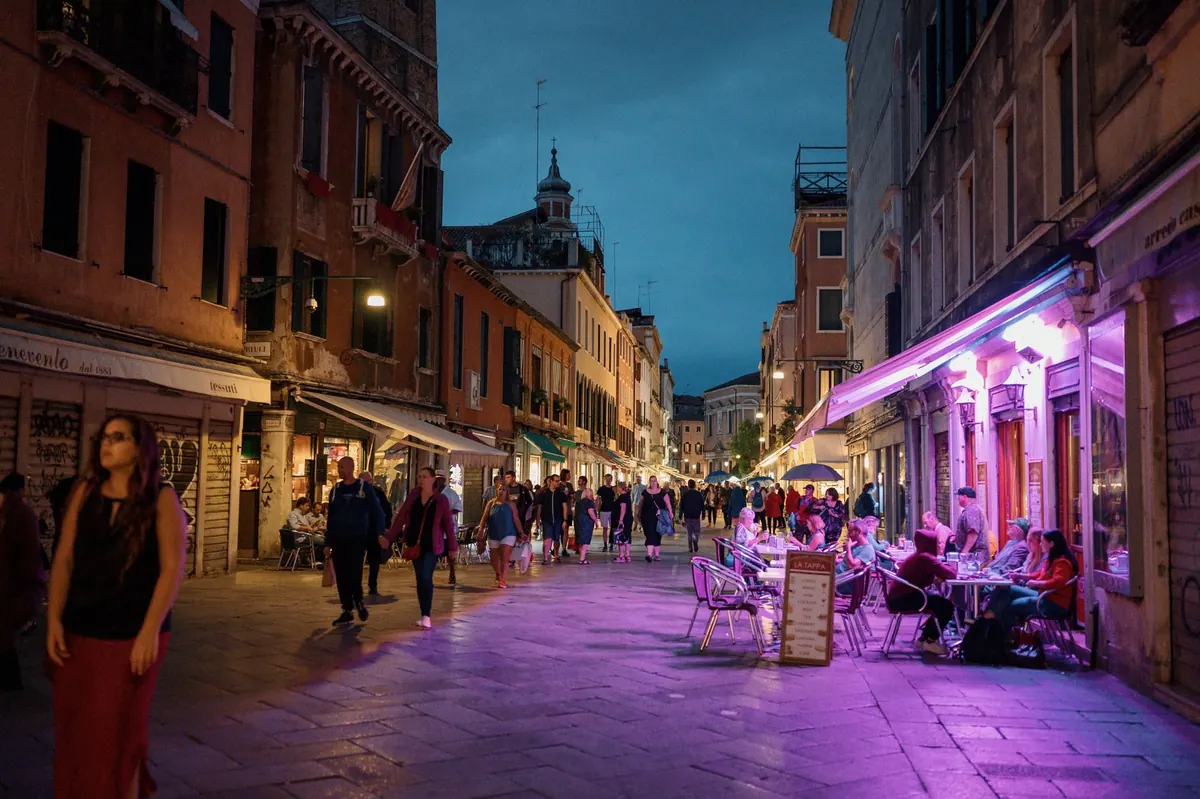
Evening arrives slowly in an Italian town. The shutters clatter up, chairs get dragged onto the pavement, and by half past seven the street is full of people walking with no particular purpose. Nobody organized this. It is just a set of small habits, repeated until they became the shape of the night. Most of them cost nothing, take less time than an episode of television, and require no plane ticket. Here are the ones worth copying, adjusted for whatever your street looks like.
The Passeggiata: A Walk With Nowhere to Be
The evening walk is not exercise, which is exactly why it works. It happens once the heat breaks and before the day is fully closed, and it has no route to optimize. People walk one direction for ten minutes, turn around, and come back along the same street.
That repetition is the point. When you are not deciding where to go, your attention moves outward: who is sitting outside, what changed at the corner, whether the bakery lights are still on. Try it tonight for fifteen minutes. Leave the earbuds at home. Walk slower than you would if you were going somewhere, slow enough that a neighbor could stop you without you having to break stride. If walking for its own sake feels strange, give the loop a small destination — a square, a view, the far end of the block. The destination is an excuse; the pace is the practice.
Dinner, Moved a Little Earlier and Made a Little Smaller
The postcard version of an Italian dinner — three courses, wine, a table that stays full until eleven — is mostly a restaurant ritual. The everyday evening meal in Italian homes is closer to a soup, a plate of vegetables, some eggs or cheese, bread, and fruit. Lunch did the heavy lifting; dinner winds things down.
You can borrow the proportions without changing how you cook. Shift dinner thirty to forty-five minutes earlier when you can. Keep one warm element so the meal still feels like dinner rather than a snack eaten standing at the counter. And cut the number of components: two things on the plate, done well, beat four done out of duty.
A Lighter Plate, Concretely
- Brothy soup with beans or greens, bread on the side, olive oil poured at the table.
- A frittata with whatever vegetables are tired in the drawer, plus sliced tomatoes.
- Roasted vegetables, a spoon of ricotta or mozzarella, good bread.
- Pasta with vegetables, a smaller portion than you would serve at midday, with no second course after it.
- Fruit and a square of dark chocolate instead of a plated dessert.
If heavy late meals leave you lying awake or uncomfortable, the gap between dinner and bed matters more than the exact menu. Give yourself two or three hours. And if you have a condition that affects eating or digestion, follow the guidance you have been given rather than a habit borrowed from a website.
The Aperitivo, Kept Small
Aperitivo means opener. The drink is there to sharpen appetite for dinner, not to become dinner. Trouble starts when a second round appears, then a plate of something fried, and suddenly it is half past nine and nobody is hungry the way they planned to be.
Keep it to one drink, bitter rather than sweet and low in alcohol: a spritz, a small vermouth, a non-alcoholic bitter with soda. Sit down instead of standing at the counter — sitting slows the whole thing by half. Ask for sparkling water alongside, and put something small and salty in a bowl: olives, a few chips, taralli if you can find them.
If alcohol reliably ruins your sleep, as it does for plenty of people even in modest amounts, the ritual survives without it. A bitter soda and a bowl of olives on a balcony at seven o'clock does the same job. So does skipping the whole thing on a Tuesday.
Talk That Isn't About Logistics
The Italian table is loud in a specific way: people overlap, topics wander, nobody is chairing the meeting. What makes it feel good is not the volume. It is that for an hour, no one is being useful.
Most household conversation after six o'clock is administration — who is collecting what, what is on Thursday, did you pay that bill. Necessary, but not restorative. Move the phones to another room before you sit down, then start with one question that cannot be answered with a schedule. What was the best thing you saw today? What is the thing you keep thinking about? Ask one, and let the answer go wherever it goes.
Ten unhurried minutes changes the temperature of an evening. If you live alone, call someone. Not a text — a call, from the window or with your feet up, with nothing else open in front of you.
Closing the House Before You Close Your Eyes
The last ritual is the quietest: pulling the shutters, dimming the lights, putting the kitchen back in order, setting out the coffee pot and a glass for the morning. Ten minutes, done in the same order most nights, and the day has a visible end.
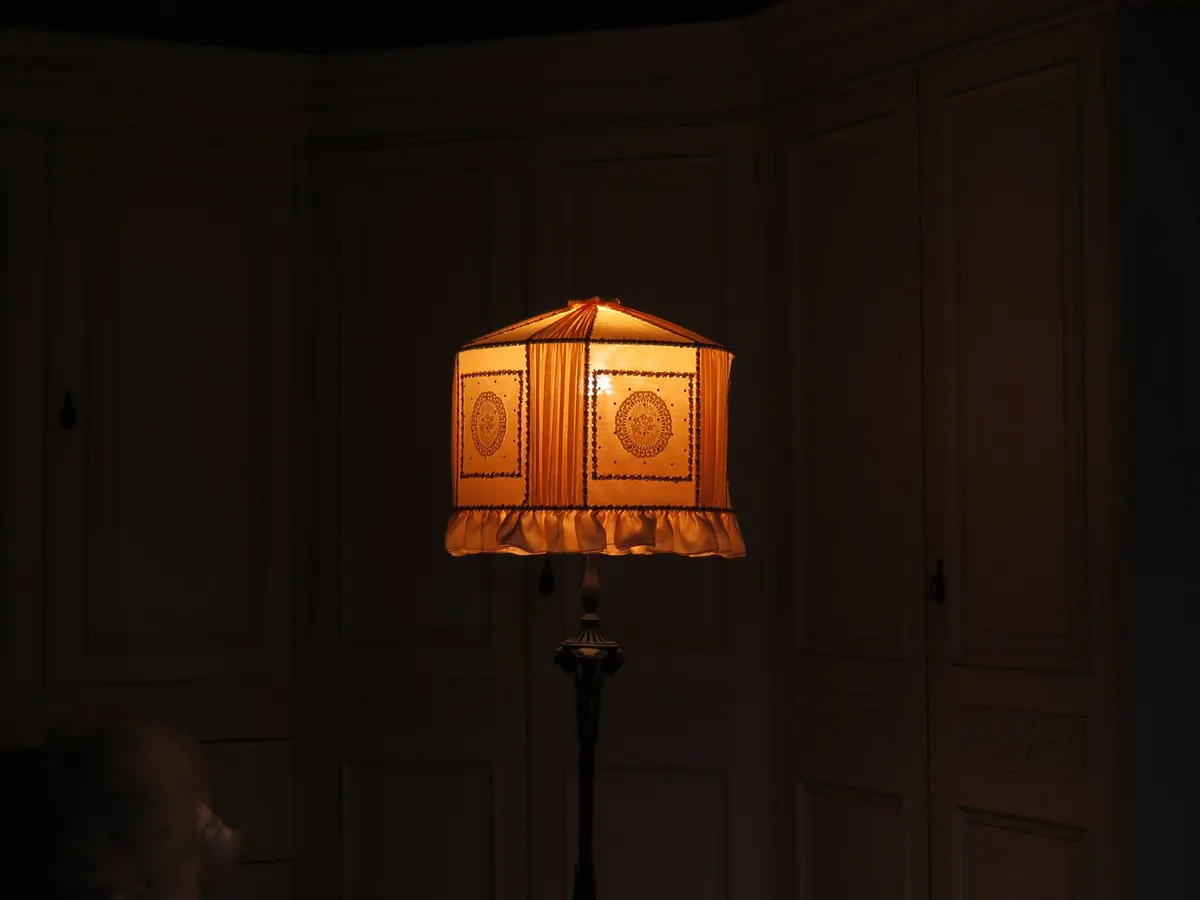
In Italy the shutters are practical — they keep out heat and light — but they do something else too. Once they are closed, there is no street left to watch and the day is officially finished. Without shutters, close the curtains properly. Swap overhead lights for lamps an hour before bed. Open a window for ten minutes to let the evening air through, then shut it against the noise.
The other half is the tidying. Washing up, wiping the table, laying out tomorrow's clothes. Not a deep clean, just enough that the room looks finished with today. Put on music you have heard a hundred times and it becomes the last movement of something rather than a chore.
The Coffee Cut-Off, and the Amaro Question
An espresso after dinner is a social gesture more than a drink, and for some people it is harmless. If caffeine affects you at all, make lunchtime your last one and keep decaf in the cupboard for the evening. The ritual is the small cup and the pause, not the dose.
The same goes for a digestive pour of amaro or grappa. It is a satisfying full stop, but alcohol close to bedtime tends to fragment sleep later in the night, even when it helps you drop off. A small pour now and then is one thing; a nightly routine is another. If you are pregnant, taking medication that interacts with alcohol, or simply sleeping badly, skip it without ceremony.
Start With Three Evenings This Week
Do not rebuild your whole night at once. Pick three evenings and keep them almost embarrassingly small.
- Tonight: walk for fifteen minutes after dinner, no earbuds, same route back.
- Tomorrow: eat thirty minutes earlier, with two things on the plate instead of four.
- The third night: phones out of the room for ten minutes of real conversation, then shut the house down — curtains, lamps, kitchen, tomorrow's coffee.
Repeat until it stops being a plan and becomes simply how the evening goes. The test is not how fast you fall asleep. It is whether the hour before bed feels like yours.
Photo: Matteo Angeloni / Pexels