Bedroom Sleep Environment Checklist: 12 Adjustments for Deeper Rest
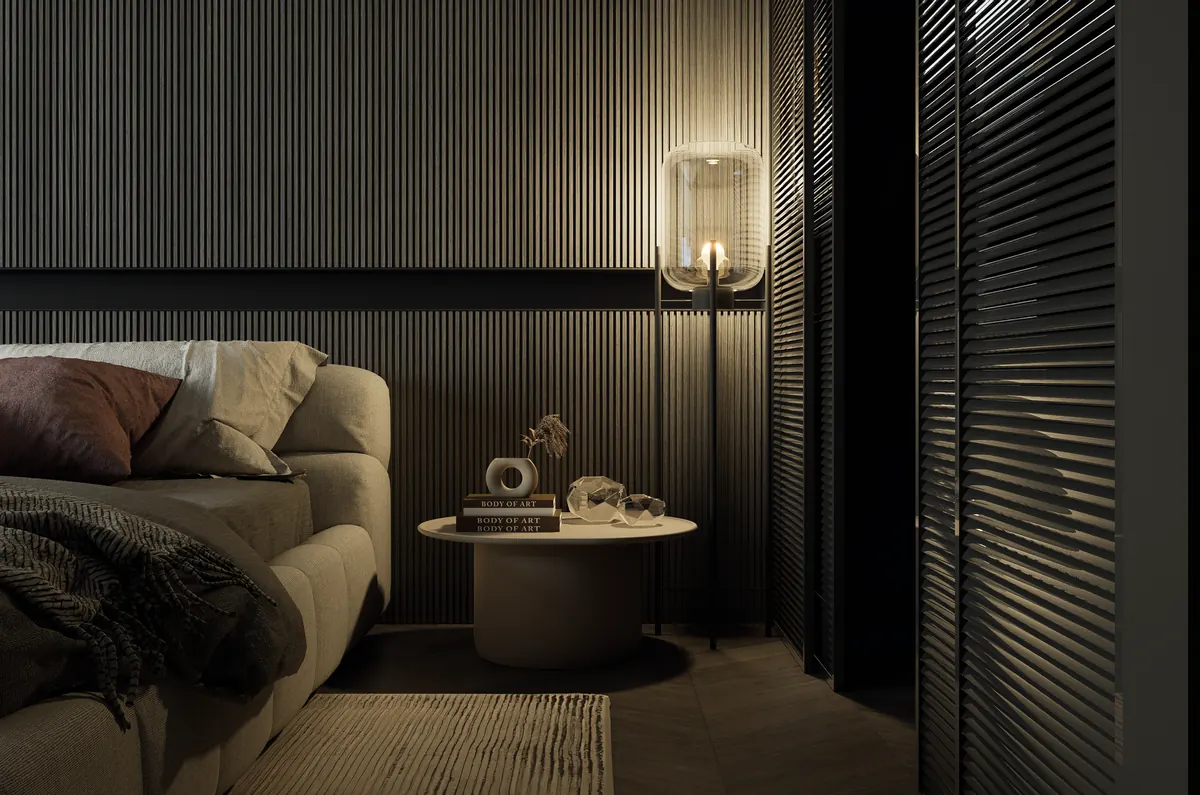
A bedroom doesn't need to look like a hotel suite to do its job well. It needs to be dark enough, cool enough, quiet enough and comfortable enough that your body stops negotiating and lets go. A lot of what gets blamed on a racing mind starts as something physical: a streetlight bleeding through the blinds, a duvet that traps heat, a phone buzzing on the nightstand at two in the morning.
What follows is a working checklist — twelve adjustments, most of them free or nearly so. Work through it in order of effort rather than aiming for perfection. Changing three things that actually matter beats redesigning the whole room and sleeping no better.
Start With Darkness, Because It Sets the Rest
Light is the loudest signal your body reads at night. It doesn't take much — the standby light on a television, the glow of a charging cable, a streetlamp through the gap at the edge of the curtains — to keep your brain half-awake longer than you'd like.
1. Do an audit with the lights off. Stand in the doorway after sunset, lights out, and look around. Notice what glows. Cover standby LEDs with a strip of black tape, turn clock faces to the wall, and unplug what doesn't need to be on. Ten minutes of taping over small lights is one of the highest-return jobs in this whole list.
2. Fix the window, not just the curtain. Blackout fabric only works if light can't sneak around it. Hang curtains wider than the frame and long enough to touch the floor, or add a blackout liner behind what you already have. If you rent and can't drill, a tension rod with a liner tucked behind the existing curtain takes minutes and costs little.
3. Dim the last hour. Overhead lights at full brightness tell your body it's still afternoon. Switch to a lamp in the corner, keep the bulb warm rather than blue-white, and lower the brightness as the evening goes on. If you need light for a middle-of-the-night trip to the bathroom, use a small amber nightlight close to the floor so you don't have to flood the room.
Cool the Air, Then Let It Move
Most people sleep best in a room that feels slightly cool rather than warm — somewhere around 16–19°C (the low-to-mid 60s Fahrenheit) suits a lot of adults, though the right number is personal and depends on what you're wearing and sleeping under. The point is not to chase an exact figure; it's to stop overheating, which is a common and underrated cause of night waking.
4. Flush the warm air before bed. Open a window for ten minutes while you brush your teeth, especially in summer or in a small room that holds heat. Keep the door closed if the rest of the home is warmer than the bedroom.
5. Layer instead of stacking. One heavy duvet is harder to regulate than a light layer plus a medium one. Natural fibres — cotton, linen, wool — breathe better than synthetic fills and are less likely to leave you clammy at 3 a.m. If you wake up hot most nights, remove a layer before you go to bed rather than after.
6. Move the air, don't blast it. A fan angled to push air across the room, or bouncing off a wall, keeps things fresher without a cold draft on your face. Check that curtains, furniture and washing aren't blocking vents or radiators. In winter, a window cracked a finger's width plus a warm duvet is often more comfortable than a sealed, stuffy room.
Handle Noise Without Trying to Erase It
7. Choose steady sound over silence. Traffic, neighbours and doors are harder to sleep through than a constant hum, because your brain keeps reacting to each change. A fan, a low white-noise setting, or simply a consistent background sound smooths those interruptions. Earplugs are worth trying, too — the soft foam kind, rolled small and inserted properly rather than pushed in flat.
8. Silence the interruptions you control. Put the phone on Do Not Disturb and charge it outside the bedroom if you can, or at least across the room. Mute the hallway clock, oil the door that creaks, and move anything that vibrates onto a folded towel. It's not the buzzing itself that wakes you so much as the jolt of wondering who needs you.
Rebuild the Bed Itself
9. Check the mattress and its base. Rotate the mattress every few months — set a reminder — and make sure the base or frame isn't sagging in the middle. A mattress that has lost its shape will keep waking you no matter how dark the room is.
10. Match the pillow to how you sleep. Side sleepers usually need more fill to keep the neck level; back sleepers need less; stomach sleepers need very little. A pillow should spring back when folded. If it stays creased, it's done.
11. Wash the bedding more often than feels necessary. Once a week is a reasonable default for sheets, and a fresh set on a Sunday makes the whole week feel different. Add a washable mattress protector, and air the duvet when you change the sheets.
Clear the Surface, Clear the Signal
12. Empty the nightstand and keep the bed for sleep. A lamp, a book, water, maybe a notebook for the thought you don't want to lose. Not the laptop, not work papers, not a stack of unopened post. If you use the bedroom as an office or a laundry drop during the day, spend five minutes before bed returning it to a room that only means one thing.
Dust and stale air belong in the same category. Vacuum under the bed now and then, wash the curtains, and skip heavy room fragrances and scented candles at night — a clean, faintly neutral room is easier on the senses than a perfumed one.
The Twelve Adjustments at a Glance
- Audit the room with the lights off and cover small glows.
- Seal the edges of the window with wider, longer blackout curtains.
- Dim and warm the lighting in the last hour before bed.
- Flush warm air out of the room before you turn in.
- Swap one heavy duvet for breathable layers.
- Move air across the room instead of blasting it at your face.
- Add steady background sound and try well-fitted earplugs.
- Mute notifications and move the phone away from the bed.
- Rotate the mattress and check the base for sag.
- Match pillow height to your sleeping position.
- Wash sheets weekly and air the duvet.
- Clear the nightstand and keep the bed for sleep.
A Short Evening Reset
You don't need to do all twelve tonight. Pick three — darkness, temperature and the phone are usually the ones people notice first — and give them a week. Then add a short closing routine: open the window for ten minutes, set the room a little cooler than the rest of the home, dim the lamps, put the phone out of reach, and write down the one thing you don't want to carry into the night. It takes about fifteen minutes and does more for sleep than an hour of scrolling in bed ever will.
If you make these changes and still wake unrefreshed, snore heavily, or feel sleepy during the day despite enough hours in bed, it's worth talking to a doctor rather than continuing to adjust the curtains. Room conditions help enormously, but they aren't the whole picture.
Photo: The Ghazi / Pexels